
Related Jobs
View all jobsDivisional Business Officer
European Technical Services Manager
Information Governance Administrator
Senior Quality Engineer
Senior Electronics Engineer - Medical Devices Invention
Subscribe to Future Tech Insights for the latest jobs & insights, direct to your inbox.
Industry Insights
Discover insightful articles, industry insights, expert tips, and curated resources.

Neurodiversity in Medical Technology Careers: Turning Different Thinking into a Superpower
Medical technology sits at the intersection of health, engineering & innovation. From imaging & diagnostics to digital health apps, wearables & surgical robotics, medtech is about solving complex real-world problems that directly affect patients’ lives. To do that well, the sector needs people who think differently. If you live with ADHD, autism or dyslexia, you may have been told your brain is “too distracted”, “too literal” or “too disorganised” for a regulated, safety-critical industry. In reality, many traits that made school or previous jobs difficult can be huge strengths in medical technology – from pattern-spotting in clinical data to meticulous attention to detail in device testing. This guide is for neurodivergent job seekers exploring medical technology careers in the UK. We’ll cover: What neurodiversity means in a medtech context How ADHD, autism & dyslexia strengths map to common medtech roles Practical workplace adjustments you can ask for under UK law How to talk about your neurodivergence in applications & interviews By the end, you’ll have a clearer sense of where you might thrive in medical technology – & how to turn “different thinking” into a genuine superpower.

Medical Technology Hiring Trends 2026: What to Watch Out For (For Job Seekers & Recruiters)
As we move into 2026, the medical technology (MedTech) jobs market in the UK is changing fast. Hospitals and health systems are under pressure to do more with less. Diagnostics and devices are becoming smarter, more connected and more regulated. AI, robotics and remote monitoring are no longer “future tech” – they’re being built into mainstream care pathways. At the same time, budgets are tight, funding cycles are uneven and some healthtech start-ups are consolidating or being acquired. That means fewer vague “innovation” roles and more focus on medical technology jobs that directly support regulatory approval, patient safety, NHS adoption and commercial growth. Whether you are a MedTech job seeker planning your next move, or a recruiter building teams for medical device, diagnostics or digital health companies, this guide breaks down the key medical technology hiring trends for 2026.
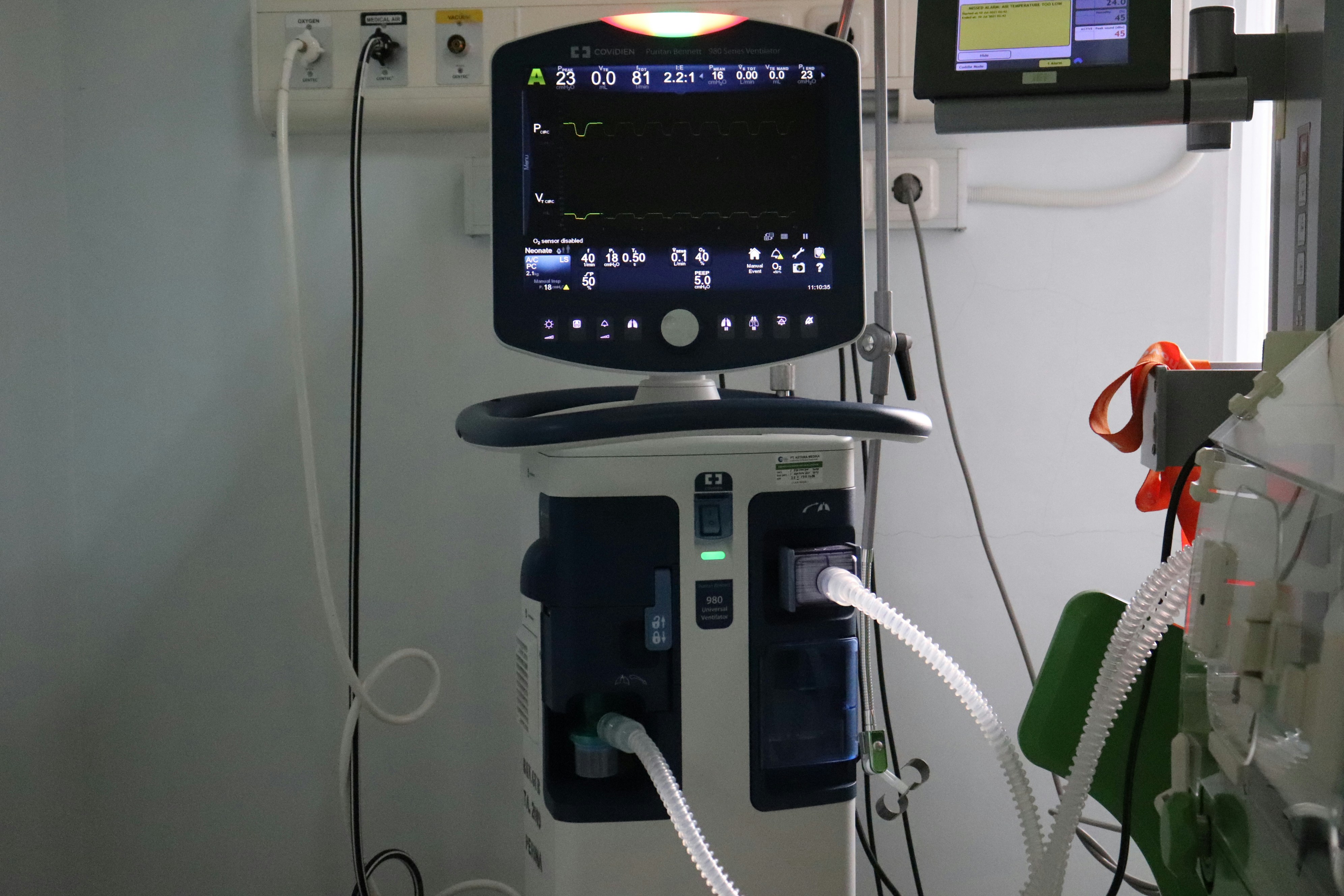
Medical Technology Recruitment Trends 2025 (UK): What Job Seekers Need To Know About Today’s Hiring Process
Summary: UK medical technology hiring has shifted from title‑led CV screens to capability‑driven assessments that emphasise regulatory‑aware product delivery (QMS, ISO 13485), software lifecycle & risk (IEC 62304/14971), usability (IEC 62366), clinical & regulatory strategy (MDR/UKCA), device cyber security & privacy, and measurable patient/clinical and commercial impact. This guide explains what’s changed, what to expect in interviews & how to prepare—especially for SaMD engineers, AI/ML in medical devices, product & quality engineers, regulatory/clinical affairs specialists, validation/verification, manufacturing/operations, and digital health roles. Who this is for: Software/firmware engineers in medtech, SaMD/AI engineers, systems & verification engineers, quality & regulatory affairs (QARA), clinical evaluation/PMCF specialists, human factors engineers, medical device cyber security & privacy, test/validation, manufacturing & operations, field/service engineers, and medtech product managers in the UK.